Exploring The Creative Potential Of Random Reward Systems
20 August 2026 | 70
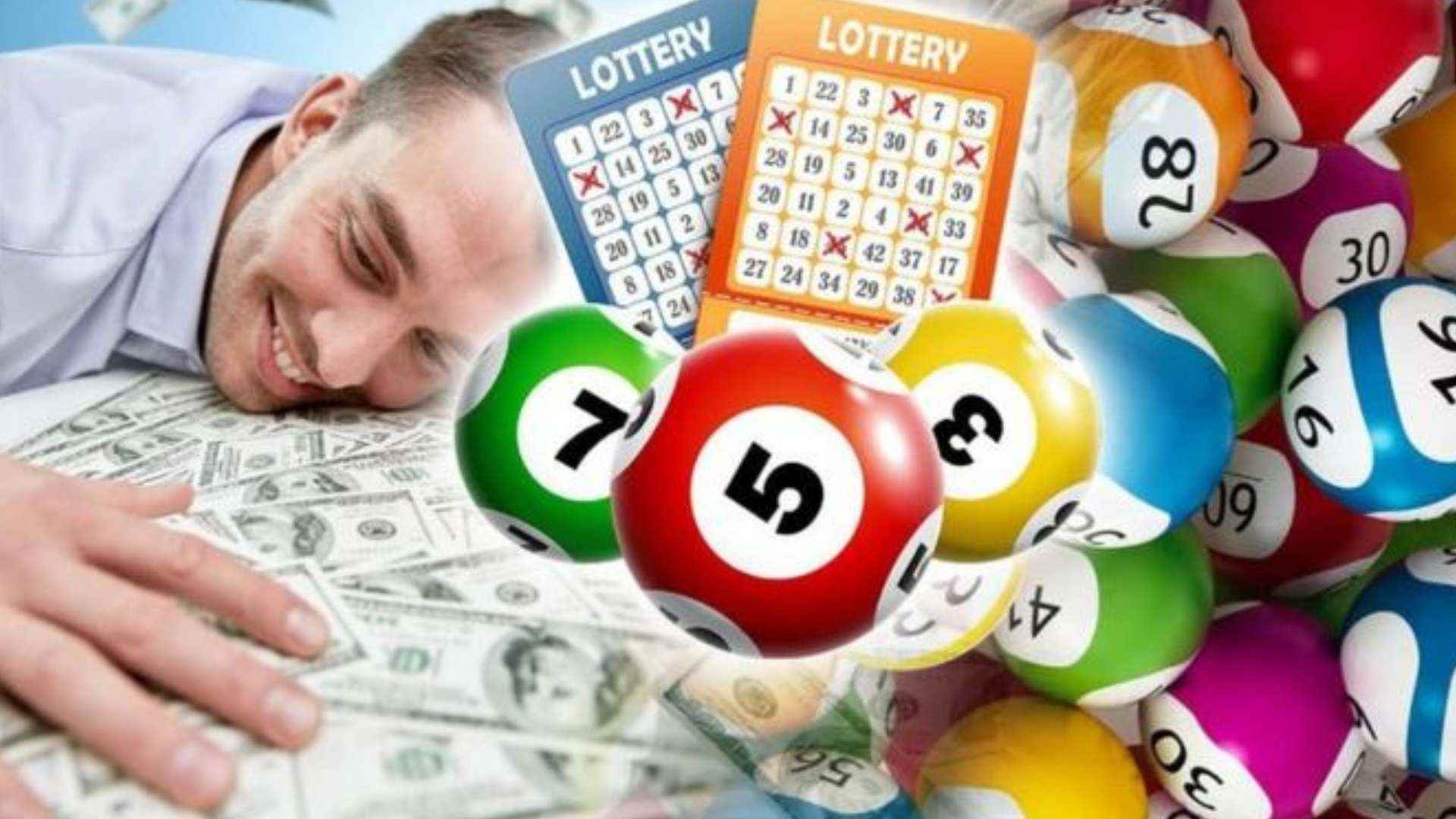
The architecture of modern user engagement relies heavily on how breakthroughs and milestones are delivered across digital ecosystems. Fixed distribution models often lead to predictable routines that eventually diminish consumer curiosity and interaction rates. By integrating random reward systems, developers and designers can leverage human psychology to turn ordinary milestones into remarkable journeys of discovery.
The Psychology of Variable Outcomes
Human brain chemistry is naturally calibrated to react with heightened alertness when faced with unpredictable results. When a participant knows exactly what incentive awaits them, the sense of urgency and long-term focus rapidly declines. Variable reinforcement schedules keep the cognitive gap wide open, prompting individuals to remain consistently invested in the process.
This emotional spike creates a memorable loop of entertainment that transforms static environments into dynamic experiences. Observers experience a biological rise in motivation as they track the possibility of achieving rare outcomes. Balancing these surprise elements helps modern platforms sustain high traffic without relying on aggressive marketing tactics.
Designing Balanced Interactive Structures
Implementing a successful random incentive framework requires a careful equilibrium between transparency and mystery. Users must believe that the system is entirely fair while still feeling the thrill of a potential surprise. Clearly defining the overall boundaries of the system helps reduce player skepticism and establishes foundational trust from the first interaction.
Furthermore, developers must carefully calibrate the frequency of small modifiers and major jackpots to prevent user exhaustion. Regular positive reinforcement through minor milestones ensures that the journey remains productive even during longer gaps between big wins. This structured pacing turns a simple mechanical process into a deeply personal interactive event.
Creative Applications Across Modern Industries
Beyond traditional gaming applications, corporate loyalty programs and educational software are successfully adopting these interactive distribution models. Gamified learning applications utilize unexpected points and hidden surprises to keep students motivated across multiple study sessions. This shift toward multi-layered interaction demonstrates how flexible random mechanics can be when applied to practical goals.
Digital entertainment hubs also refine their consumer interfaces by using fluid motion and thematic designs to enhance the suspense of every reveal. For example, individuals looking for a reliable platform to explore these dynamic setups often search for m88 login terbaru to access modern, engaging environments. Utilizing sophisticated software engineering ensures that traditional concepts stay highly relevant for a brand-new generation of users.
The Future of Random Reward Experiences
As virtual and augmented reality technologies continue to mature, the delivery of randomized incentives is projected to become even more immersive. Future platforms will likely allow users to interact physically with customized digital environments in real time. This technical progression will deepen consumer connection by transforming passive clicking into a fully tactile journey.
Ultimately, the creative potential of unexpected outcomes remains an invaluable tool for modern experience design. Providing a perfect break from complex structures, these systems offer instant clarity and genuine emotional engagement. By focusing on clean design and balanced reward distribution, creators guarantee that the excitement of discovery remains timeless.