Reward Systems for Dynamic Communities
23 July 2026 | 199
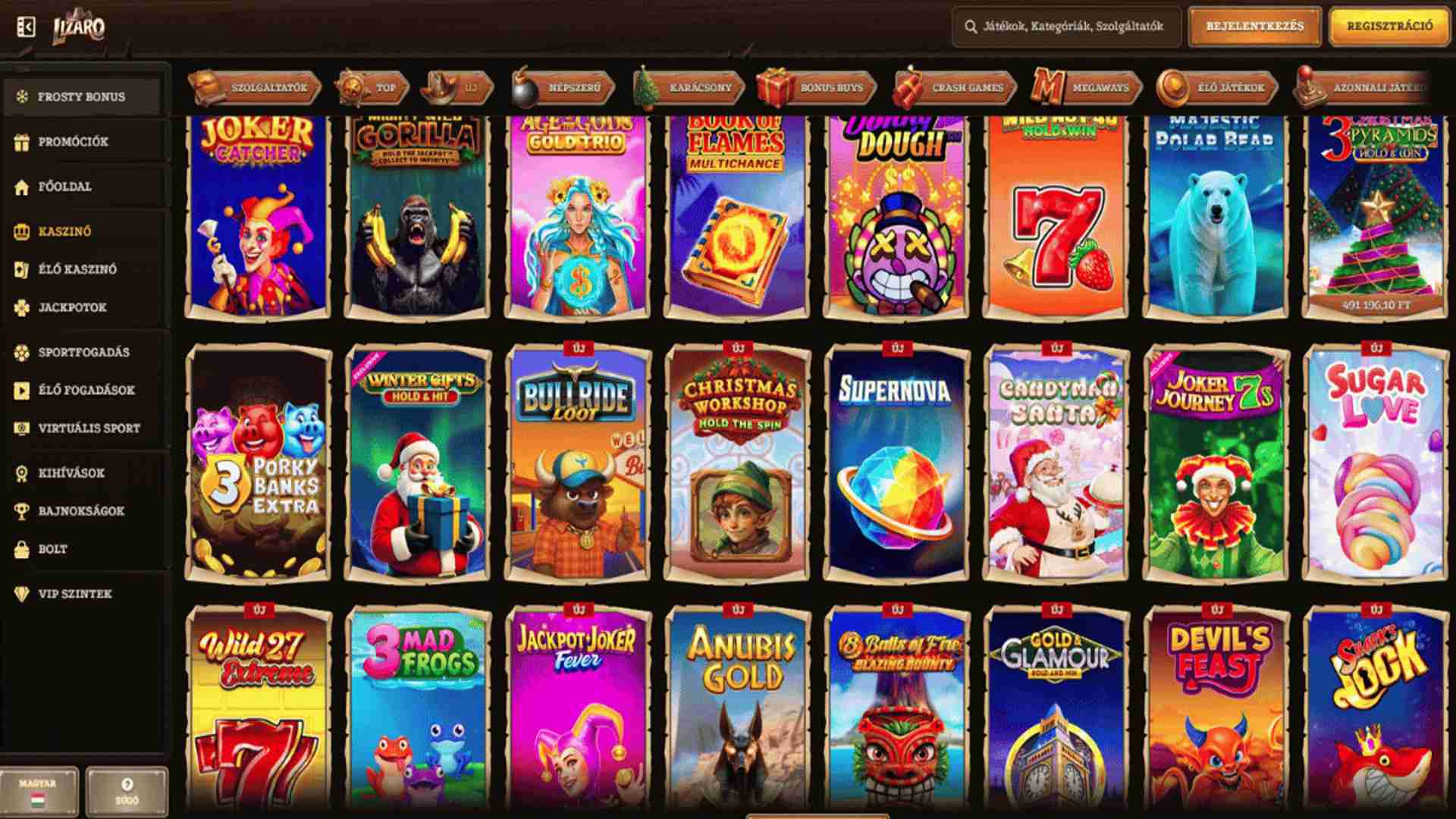
Modern digital platforms are constantly evolving to sustain user interaction and foster vibrant online networks. At the core of this evolution lies the implementation of strategic incentive structures that motivate individuals to participate actively. By understanding the behavioral patterns of active participants, platform architects can build collaborative environments that thrive over long periods.
The Psychology of Variable Reinforcement
Human psychology responds powerfully to unpredictable outcomes, making variable incentives highly effective for community engagement. When users receive acknowledgment or benefits at irregular intervals, it triggers a strong sense of anticipation and curiosity. This continuous cycle of surprise keeps interactions fresh and prevents the monotony often associated with fixed schedules.
By shifting from predictable systems to dynamic models, digital spaces can cultivate deeper consumer connections. Participants feel a genuine sense of fulfillment when their contributions lead to unexpected milestones. Exploring these contemporary strategies allows developers to establish frameworks that naturally encourage healthy ongoing interaction.
Balancing Shared Contribution and Recognition
Achieving equity in how incentives are distributed is crucial for maintaining community trust and long-term retention. If the mechanisms governing distribution feel entirely arbitrary, users can quickly become discouraged and abandon the platform entirely. Striking the right balance requires a mix of transparent guidelines and meaningful progression tracking.
Intentional engagement models also require shared responsibility for workloads and thoughtful communication across the ecosystem. When everyone feels that their input is valued equally, the collective environment becomes much more satisfying to explore. Enthusiasts looking for dynamic and exciting digital entertainment options can check out M88bet to experience highly engaging platforms built on fair progression models.
Adapting Systems for Evolving User Motivations
As time goes on, user motivations within online networks frequently shift from external incentives to intrinsic satisfaction. Successful community platforms recognize this transition and adjust their structural frameworks to support personal growth and deeper networking. Providing opportunities for mentorship or advanced user roles ensures that long-term members remain deeply invested.
Ultimately, a sustainable reward system must cater to a wide variety of casual and dedicated participants alike. By implementing hyper-personalized features, organizations can deliver experiences that resonate with individual user behaviors in real time. This adaptive methodology ensures that the digital ecosystem remains robust, diverse, and ready for future technological trends.