The Relationship Between Hospitality And Classic Card Gaming
16 August 2026 | 127
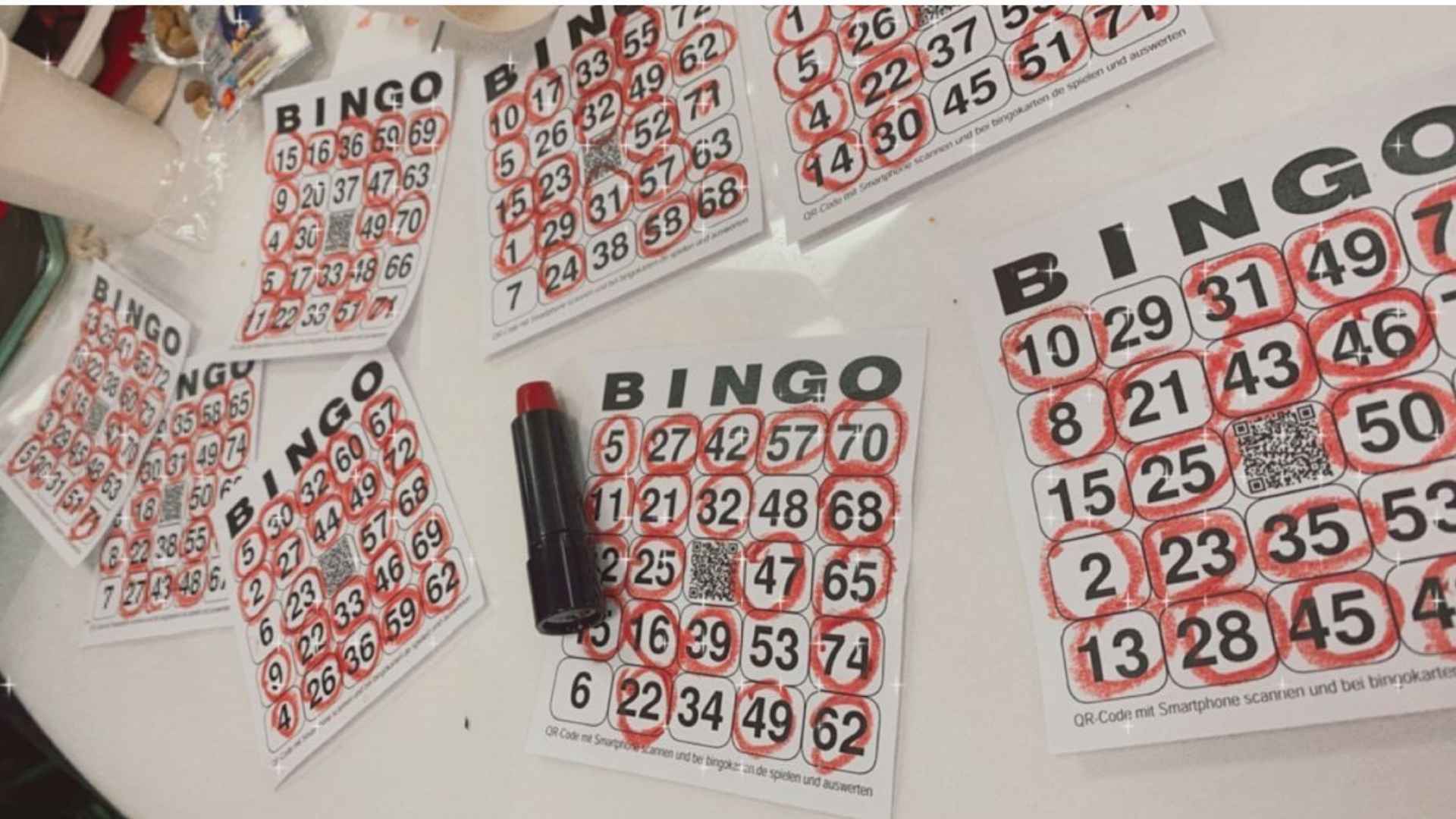
The shared history of premium hospitality and traditional card games demonstrates how physical environment influences human interaction. Long before modern entertainment districts separated lodging from leisure activities, historic venues integrated dining, accommodation, and strategic table games into a single, cohesive ecosystem. Exploring this historical connection reveals how early service standards evolved specifically to meet the expectations of competitive players.
The Spatial Architecture of Classic Gaming Salons
Historic hotels and private clubs were meticulously designed to offer a balance between absolute comfort and focused concentration. The layout of traditional card rooms prioritized sound insulation, sophisticated lighting, and comfortable seating to ensure players could engage in long sessions without unnecessary distractions. This intentional organization established the baseline for modern luxury hospitality where customer comfort directly impacts their time spent at a venue.
Furthermore, early venue operators realized that high-quality service could elevate a simple card gathering into a prestigious social ceremony. Attentive staff members were trained to manage refreshment delivery and table maintenance discreetly, preserving the strategic focus of the room. This seamless blend of service and entertainment laid the foundation for the luxury resort experiences we observe today.
How Customer Support Elements Transferred to Digital Networks
The transition of tabletop gaming into contemporary digital spaces required a complete reimagining of traditional hospitality rules. Modern online platforms must replace physical luxury with reliable user interfaces, continuous availability, and responsive customer service systems. When enthusiastic players encounter technical barriers like m88 เข้าไม่ได้, digital service teams must offer immediate alternatives to maintain brand trust and player satisfaction.
Ensuring uninterrupted access to virtual environments has become the modern equivalent of keeping a physical table operational throughout the night. Digital platforms investment in secure connection links and alternate access paths reflects the classic dedication to hospitality reliability. By prioritizing user convenience and technical assistance, digital operators manage to recreate the welcoming environment of physical card rooms.
The Shared Psychology of Service and Strategic Play
At their core, both the hospitality industry and traditional card table games rely heavily on human psychology and anticipation. Successful venue operators learn to predict the unspoken needs of their guests, adjusting the atmosphere and amenities before any explicit requests are made. Similarly, seasoned card players rely on deep observation to evaluate table dynamics and anticipate the tactical decisions of their opponents.
This mutual reliance on psychological assessment explains why these two sectors have remained closely linked across multiple generations. Whether managing a luxury lounge or organizing a high-stakes tournament, success depends on creating a structured, trustworthy environment. As digital interfaces continue to evolve, the core focus on human connection and reliable service standards remains the true measure of excellence.